By: Destiny Young | July 12, 2025
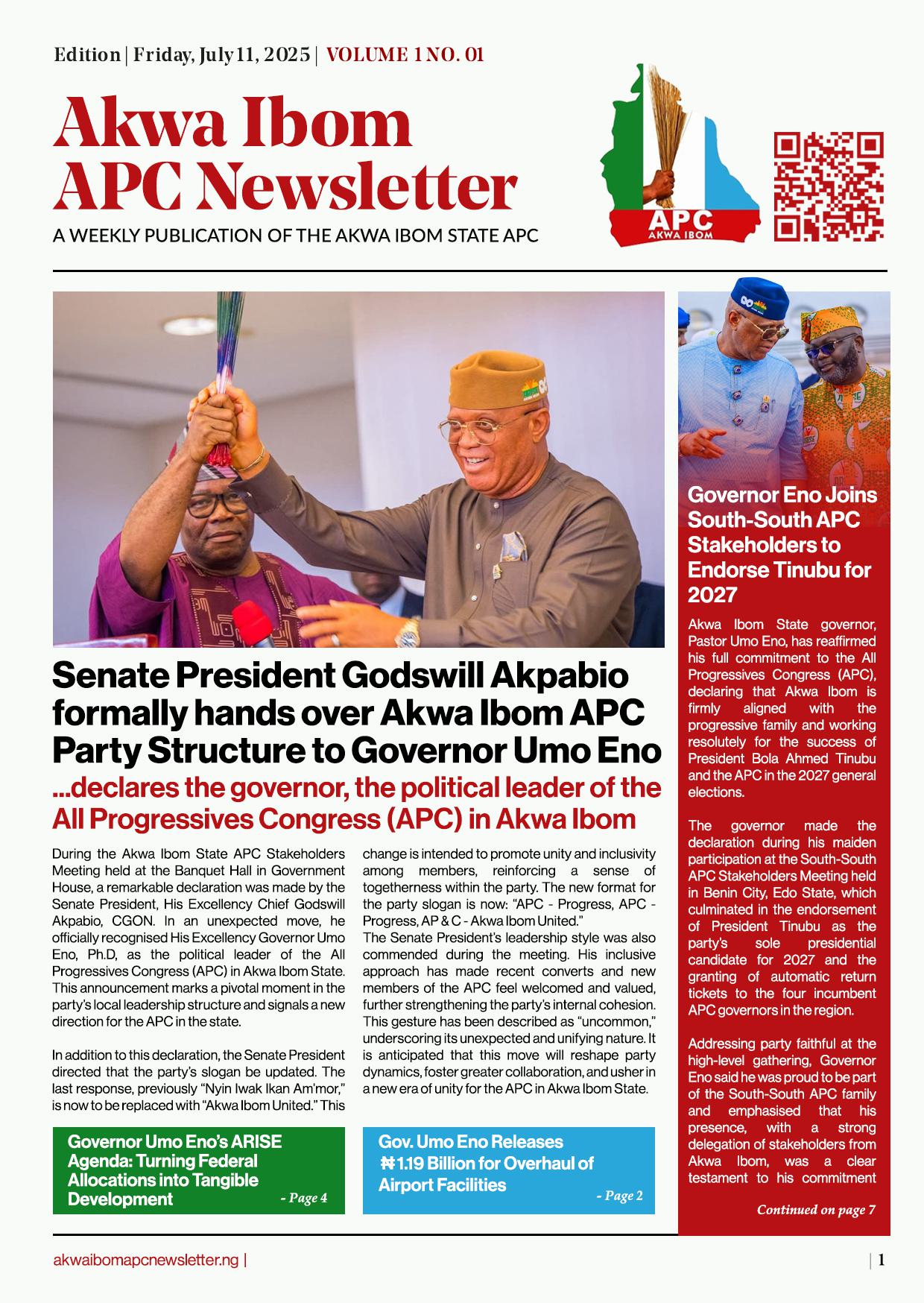
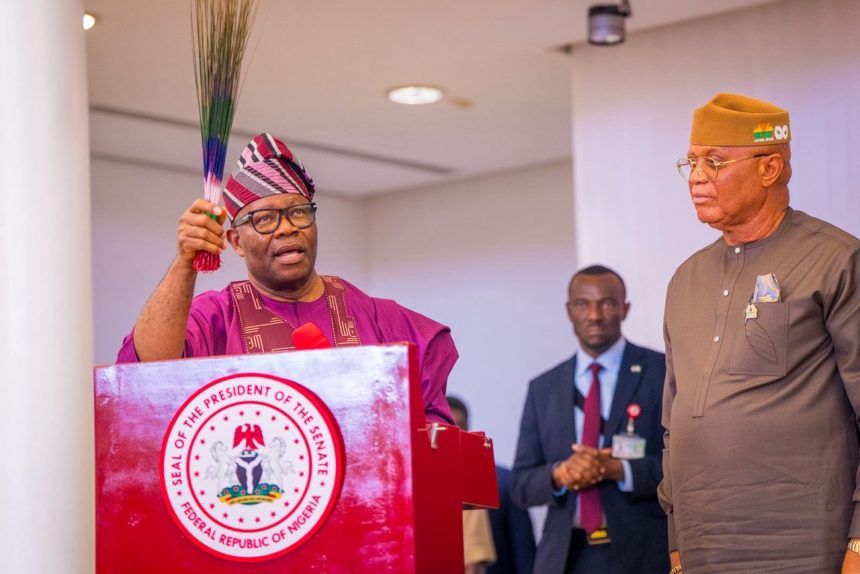
The political landscape of Akwa Ibom State has undergone a significant transformation with the symbolic handover of the All Progressives Congress (APC) leadership to His Excellency, Governor Umo Eno, Ph.D. This event, marked by the endorsement of Senator Godswill Akpabio, signals a new era for the APC in Akwa Ibom, following the Governor’s recent defection into the party. As Governor Umo Eno officially assumes the mantle of political leadership, the APC stands at a pivotal crossroads, facing both opportunities and challenges that will define its future trajectory.
The decision by Senator Akpabio to hand over the reins of party leadership to Governor Umo Eno is both symbolic and strategic. Within the context of Nigerian politics, the governor of a state is widely recognised as the de facto leader of the ruling party within that state, wielding considerable influence over party affairs, electoral strategies, and grassroots mobilisation. This transition is expected to consolidate the party’s structure, attract new stakeholders, and provide a unified direction for the APC ahead of the crucial 2027 general elections.
Despite the optimism surrounding this new leadership, it is imperative to acknowledge the internal issues that continue to threaten party cohesion. The APC in Akwa Ibom, like many political organisations, is not immune to the complexities of party loyalty, factional interests, and the integration of new members. The recent influx of defectors and the presence of long-standing members have created pockets of disaffection and scepticism within the party ranks. Some members, understandably, may feel marginalised or uncertain about their roles in the evolving structure.
Party cohesion is the bedrock of electoral success. Without a united front, even the most popular political party can falter in the face of opposition. The APC must, therefore, prioritise healing internal rifts, fostering inclusiveness, and building trust among both old and new members. The process of integrating new members must be deliberate, transparent, and anchored on shared values and collective aspirations.
Governor Umo Eno’s emergence as the APC leader in Akwa Ibom presents a unique opportunity for the party to reset its internal dynamics. Known for his pragmatic leadership style and commitment to inclusive governance, the Governor is well positioned to bridge divides and restore confidence among party faithfuls. His readiness to listen to grievances, address legitimate concerns, and accommodate diverse viewpoints will be crucial in steering the party towards unity and stability.

It is essential for all stakeholders to recognise that leadership is not merely about wielding authority but about inspiring collective action. Governor Umo Eno’s willingness to engage with all segments of the party, regardless of past allegiances or recent defections, sends a powerful message of reconciliation and hope. This approach is vital for building a formidable party machinery capable of confronting external challenges and achieving resounding victories in future elections.
The opposition parties in Akwa Ibom are undoubtedly watching these developments with keen interest. Political competition is the lifeblood of democracy, and it would be naïve to assume that the opposition will be complacent. However, a united APC, galvanised by a common purpose and led by a visionary leader, can set ambitious targets—such as achieving an 80 per cent margin in future elections. This is not mere wishful thinking; it is a realistic goal if the party can harness its collective strength and remain focused on its objectives.
To achieve this, every member must play a role in promoting unity. Old members are encouraged to welcome new entrants with open arms, recognising that the strength of the party lies in its diversity. New members, on their part, should embrace their new political home with sincerity and a willingness to contribute meaningfully. For those who remain undecided or are sitting on the fence, now is the time for introspection and decisive action. The future of Akwa Ibom is intricately linked to the fortunes of the APC, and every hand is needed on deck.
Recommendations for Promoting Party Cohesion
Institutionalise Regular Dialogue:
Establish regular forums for open dialogue where members can air their views, express concerns, and propose solutions. This will help to demystify leadership decisions and foster a culture of transparency.
Strengthen Internal Conflict Resolution Mechanisms:
Create independent committees to address grievances promptly and impartially. This will reassure members that their voices matter and that disputes will not be swept under the carpet.
Promote Inclusive Decision-Making:
Ensure that all segments of the party are represented in key decision-making bodies. This will mitigate feelings of exclusion and enhance collective ownership of party policies.
Celebrate Diversity:
Recognise and celebrate the diverse backgrounds and experiences that members bring to the party. Organise events and activities that promote social interaction and mutual understanding.
Invest in Capacity Building:
Provide training and capacity-building opportunities for both old and new members. This will equip them with the skills and knowledge needed to contribute effectively to party activities.
Recognise and Reward Loyalty:
Develop a system for recognising and rewarding loyal and hardworking members. This could include awards, appointments, or public acknowledgement of contributions.
Strengthen Grassroots Engagement:
Encourage leaders at all levels to maintain close contact with the grassroots. Regular town hall meetings and community outreach programmes will help to build trust and loyalty among the electorate.
The APC in Akwa Ibom stands at the threshold of a new chapter. The transition of leadership to Governor Umo Eno is an opportunity to redefine the party’s identity, strengthen its internal structures, and position it for unprecedented electoral success. However, this vision can only be realised if all members—old and new—commit to the ideals of unity, inclusiveness, and collective responsibility.
Let every member, regardless of background or previous affiliation, rally behind the Governor and work tirelessly for the success of the party. The journey towards 2027 has begun, and with unity as our watchword, the APC can achieve its aspirations and deliver on the promises of good governance for the people of Akwa Ibom.
The time for division is over. The time for unity is now. Akwa Ibom is APC. Let us build together, win together, and govern together for the benefit of all.
Destiny Young, writes from Asang Ward 1, Nsit Ibom LGA