On Tuesday, 13 January 2026, Akwa Ibom State recorded a significant governance milestone as construction of official residences for local government chairmen was flagged off simultaneously across the thirty one local government areas of the state. The initiative followed a clear policy directive by Governor Umo Eno, mandating all local government chairmen to reside within the headquarters of their respective councils.
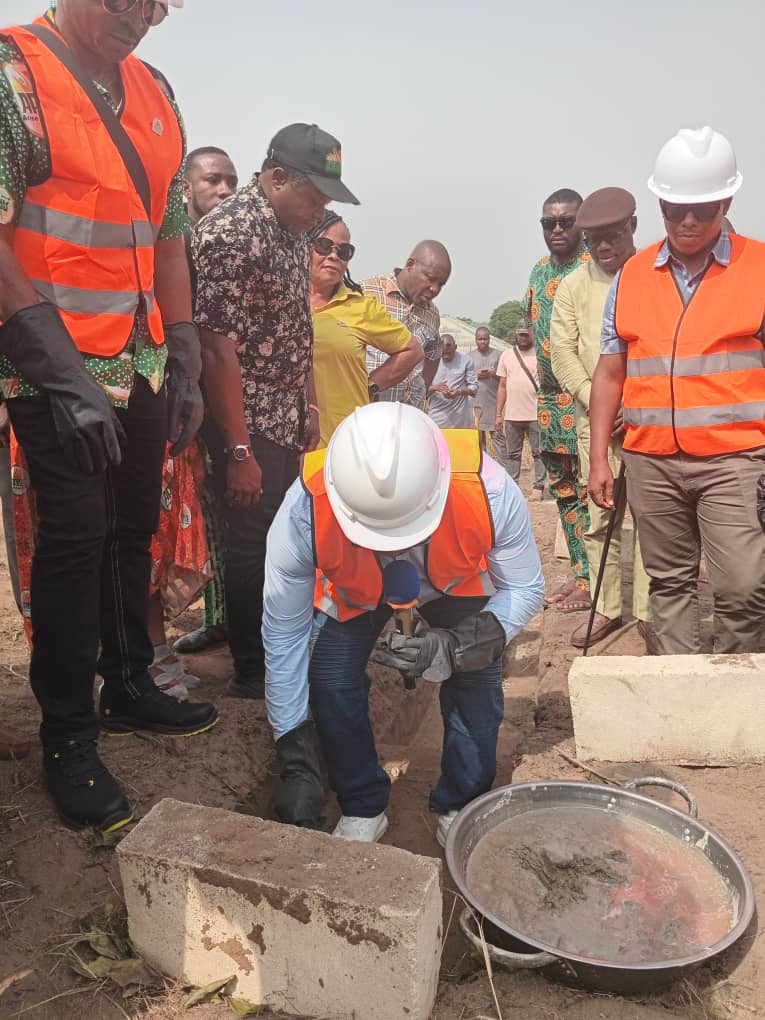
The policy is anchored on a simple but powerful principle, leadership must be close to the people. By requiring council chairmen to live and work within their local government areas rather than commute daily from Uyo, the state capital, the administration has prioritised accessibility, responsiveness, and visible governance at the grassroots.
For many years, the practice of local council leaders residing in urban centres weakened grassroots administration. Daily commuting often resulted in limited presence at council headquarters, delayed decision making, reduced engagement with traditional institutions, and a growing disconnect between elected officials and the communities they serve. In practical terms, it meant that local governance was physically distant from the people whose lives it was meant to improve.
Governor Eno’s policy directly addresses this gap. Residency within council headquarters ensures that chairmen are readily accessible to community members, traditional rulers, youth groups, women associations, and local stakeholders. It enhances prompt attention to security concerns, emergency situations, and development needs, while strengthening trust between the people and their elected representatives.
The decision also reinforces the principle of accountability. A chairman who lives among the people is more likely to understand local challenges firsthand, monitor projects more effectively, and respond quickly to emerging issues. Such proximity naturally encourages transparency, as governance becomes a daily shared experience rather than a distant administrative function.
The residence will feature: A meeting hall, Security post, Generator House and a Boys quarter
Beyond governance, the policy carries economic and social benefits. The presence of council chairmen and their administrative activities within local headquarters stimulates local economies through increased demand for services, improved infrastructure, and enhanced security presence. Over time, this can contribute to balanced development across the state rather than the over concentration of economic activity in Uyo.
What distinguishes this initiative is not only the clarity of the policy but the resolve to implement it. The simultaneous flag off of construction across all local government areas demonstrates political will and administrative coordination. It sends a strong signal that policy statements under Gov Umo Eno’s administration are backed by concrete action.
By translating a governance philosophy into visible infrastructure, Governor Eno has reinforced his commitment to people centred leadership and effective grassroots administration. The commencement of construction marks more than the building of residences. It represents a deliberate effort to bring government closer to the people, restore confidence in local governance, and institutionalise accessibility as a core value of public service in Akwa Ibom State.
As the projects progress, the policy is expected to strengthen local governance structures and deepen democratic engagement at the grassroots, affirming that development is most effective when leadership is present, visible, and accountable to the people it serves.
—
Destiny Young is the Special Assistant (New Media and Digital Communication) to the Governor