By Destiny Young | 16 August 2025
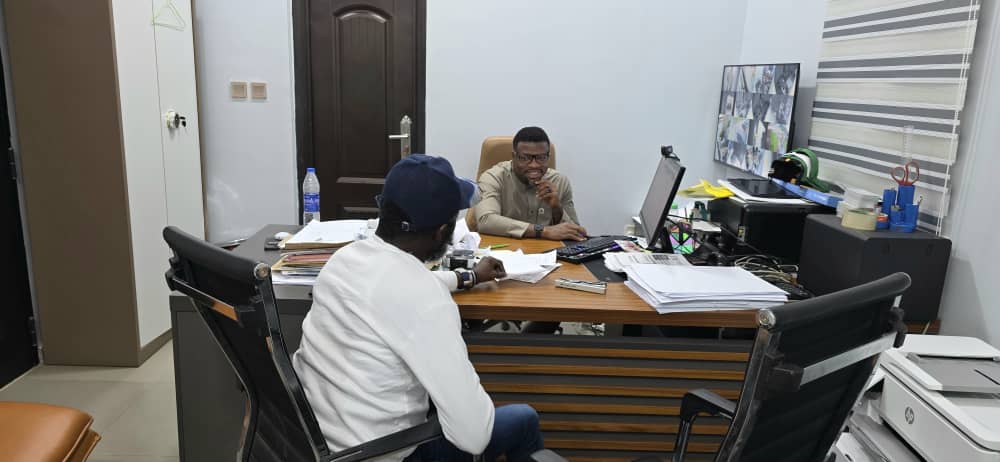
At the invitation of the Honourable Commissioner for Science and Digital Economy, Dr Frank Ekpeyong, I spent Saturday, 15 August 2025, at his private office. Our discussion centred on the remarkable drive by Governor Umo Eno and his team to digitise government services in Akwa Ibom State. As someone deeply embedded in technology infrastructure and IT operations, as well as a concerned citizen, I found both inspiration and a sense of personal investment in these transformative efforts, particularly the overhaul of the State’s payroll system.
Before delving into specifics, it is important to acknowledge the delicate balance between human input and machine capability in any successful digital transformation. The initiative spearheaded by Dr Frank and his team underscores a crucial truth: while computers can bring speed, accuracy, and automation to government processes, their effectiveness depends entirely on how well humans guide and instruct them. Machines function best when their human counterparts provide clear, accurate, and timely information; when people falter, whether through delays, inconsistencies, or misunderstandings, the machines, no matter how advanced, are limited in what they can achieve. In the journey to digitise Akwa Ibom’s payroll system, the design is robust. Yet the quality, timeliness, and completeness of data supplied and verified by civil servants have proven pivotal. This reality underpins both the successes and challenges encountered so far.
In my capacity as an enterprise IT professional with over 15 years’ experience, I have read, like many Akwaibomites, the varied commentaries on this payroll transition. Some citizens express concern over delayed salary payments; others cite unexplained deductions. Naturally, there is apprehension. Yet such transformative initiatives inevitably bring periods of friction as systems and people adjust to new ways of working. It is crucial to dispel the notion that these glitches signal government apathy or inefficiency. Rather, they are symptoms of a process grappling with the realities of human-driven data and inter-agency coordination.
Governor Umo Eno’s approach to build a home-grown, government-managed payroll system run by payroll officers across MDAs, rather than relying on external consultants, is particularly commendable. This decision returns ownership, control, and accountability to the State’s civil servants. However, the transition from legacy payroll records to the new system demanded meticulous data normalisation and verification. The administration did not conjure new datasets; it worked with existing records from each MDA, requiring every department to submit timely and accurate employee information. As data arrived, it was cleaned and reconciled to remove redundancy and errors before being loaded into the integrated payroll platform.
This is where the intersection of human effort and digital tools was most apparent. The machine – the new payroll system, was primed to handle vast calculations, automate routine checks, and process transactions swiftly. Yet its accuracy depended on painstaking groundwork by individuals who collated, vetted, and supplied the foundational data. Any delays in data provision or errors in submission caused inevitable ripples through the process, leading to delays as the system was brought up to full operational speed.
Despite these teething problems, the benefits of the new system are profound. The digital payroll initiative is not merely about faster salary payments; it represents a holistic effort to harmonise personnel records, eliminate redundant data, and, most notably, tackle the longstanding issue of “ghost workers.” Through careful data reconciliation, cases where one person held multiple roles surreptitiously, or where pension payments were claimed from several ministries concurrently, have been exposed. By identifying these anomalies, the State has saved millions of naira and strengthened public trust in governance.
It is worth reiterating to those affected by payroll delays or irregularities that such issues rarely stem from administrative reluctance. More often, they arise from the complex, gradual process of collecting and verifying data from various government entities. There is no intent to inconvenience civil servants; indeed, the principal aim of this project is to enhance transparency, efficiency, and fairness for all.
Governor Umo Eno deserves recognition for boldly steering Akwa Ibom towards a digital future in which government is more responsive, cost-effective, and people-centred. The Honourable Commissioner for Science and Digital Economy, Dr Frank Ekpeyong, alongside his dedicated team, continues to navigate the complexities at the intersection of technology and human systems. As Akwaibomites, our patience and understanding during this transition are both an investment in better governance and a testament to our collective aspiration for progress. The journey has begun, and while not without its challenges, the destination promises a more transparent, efficient, and accountable State payroll system for all.
Destiny Young, an Enterprise IT Professional and Cybersecurity Engineer, writes from Uyo