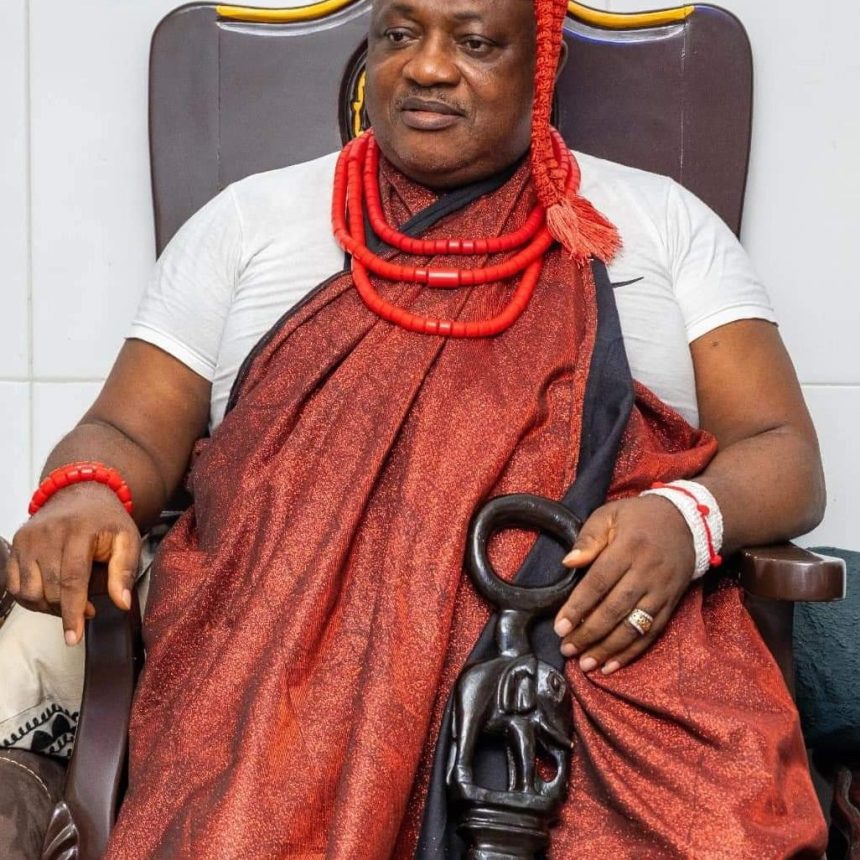
By Chris Abasi Eyo
The renewed agitations surrounding the 76 oil wells in Bakassi have reignited a flame of discourse that many hoped would find closure long ago. Yet, as recent events unfold, it becomes glaringly obvious that the plight of Bakassi remains far from resolved. I am moved to share deeper reflections on this issue—not from the vantage of political convenience, but from a place carved out by years of unwavering advocacy, personal sacrifice, and unflinching love for my people and heritage.
I thank Celestine Mel for his unvarnished autopsy on the Bakassi saga—a tragedy too often cloaked in silence, distortion, and the cold indifference of officialdom. His work rekindles memories and emotions for many of us who stood, bled, and wept for Bakassi well before it was reduced to a bargaining chip in political gamesmanship.
For those unfamiliar with my journey, my commitment to the cause of Bakassi earned me the sobriquet “Crown Prince of Bakassi.” This title was never sought for vanity; it was a mark bestowed by compatriots who recognized my relentless fight to keep Bakassi firmly within Akwa Ibom and Nigeria’s fold. But advocacy is rarely without cost. The loss of Bakassi, wound as it was, inflicted on me not merely emotional devastation but also physical and mental torment. I watched helplessly as Bakassi was carved into a Local Government Area and handed to Cross River State—not in the spirit of justice or constitutional clarity, but as a political transaction: a compensation for a serving Minister of Finance’s loyalty in looting the national treasury and a gratification extended to a powerful political insider whose influence twisted the course of destiny.
My involvement in Nigeria’s legal pursuit to retain Bakassi was significant. When Chief Richard Akinjide, SAN, led the legal team to The Hague, I was appointed as principal witness—not for political expediency, but on merit and substance. Yet, in a move no less painful than the loss itself, I was deliberately marginalized through political manipulation by the very forces that later profited from the dispossession. Their strategy was unmistakable: exclude Akwa Ibom’s voice, deny our rightful representation, and ensure the ancestral territory was wrested away without contest. This orchestrated sidelining was a betrayal not only of me personally but of all who consider Bakassi their heritage.
Let us be clear: Even with the International Court of Justice’s judgment, the question of Bakassi’s rightful ownership was never conclusively settled. The ruling, while legally binding on Nigeria, failed to address crucial historical, geographic, and constitutional intricacies integral to the identity and future of Bakassi. These unresolved matters cannot be dismissed or silenced through administrative decrees or political manoeuvres.
Today, as the discourse on the 76 oil wells resurfaces, some see an opportunity to embed falsehood, distort history, and reward betrayal. I see, instead, a call to return to the beginning—a return ab initio—to confront the unvarnished truth. Bakassi was, is, and remains the heritage of Akwa Ibom. Our claim is not rooted solely in sentiment; it is founded upon historical facts, legal precedents, and ancestral rights that demand recognition.
An urgent question must now command our attention: Prior to September 23, 1987, when Akwa Ibom State was carved out of the then Cross River State, which of the former 17 Local Government Areas had administrative jurisdiction over Bakassi? This is not a trivial matter of geography but a cornerstone fact that anchors the justice and legitimacy of Akwa Ibom’s claim.
My plea to all stakeholders, custodians of law, and patriots is this: Let us move beyond the deafening silence and distortions. Let us revive the truth, honor the sacrifices made, and pursue justice with the firmness and clarity that Bakassi—and indeed Nigeria—deserves. The heritage of Bakassi belongs to Akwa Ibom, not as a relic of history but as a living testament to our past and a beacon for the future.
In standing by this truth, we honor the memory of those who stood before us and lay a foundation for generations yet unborn to inherit the dignity, resources, and rightful place of Bakassi within Akwa Ibom and Nigeria.
Chris Abasi Eyo
“Crown Prince of Bakassi”
Advocate for Justice and Ancestral Heritage